Leighton Bannock / Hear Me Out
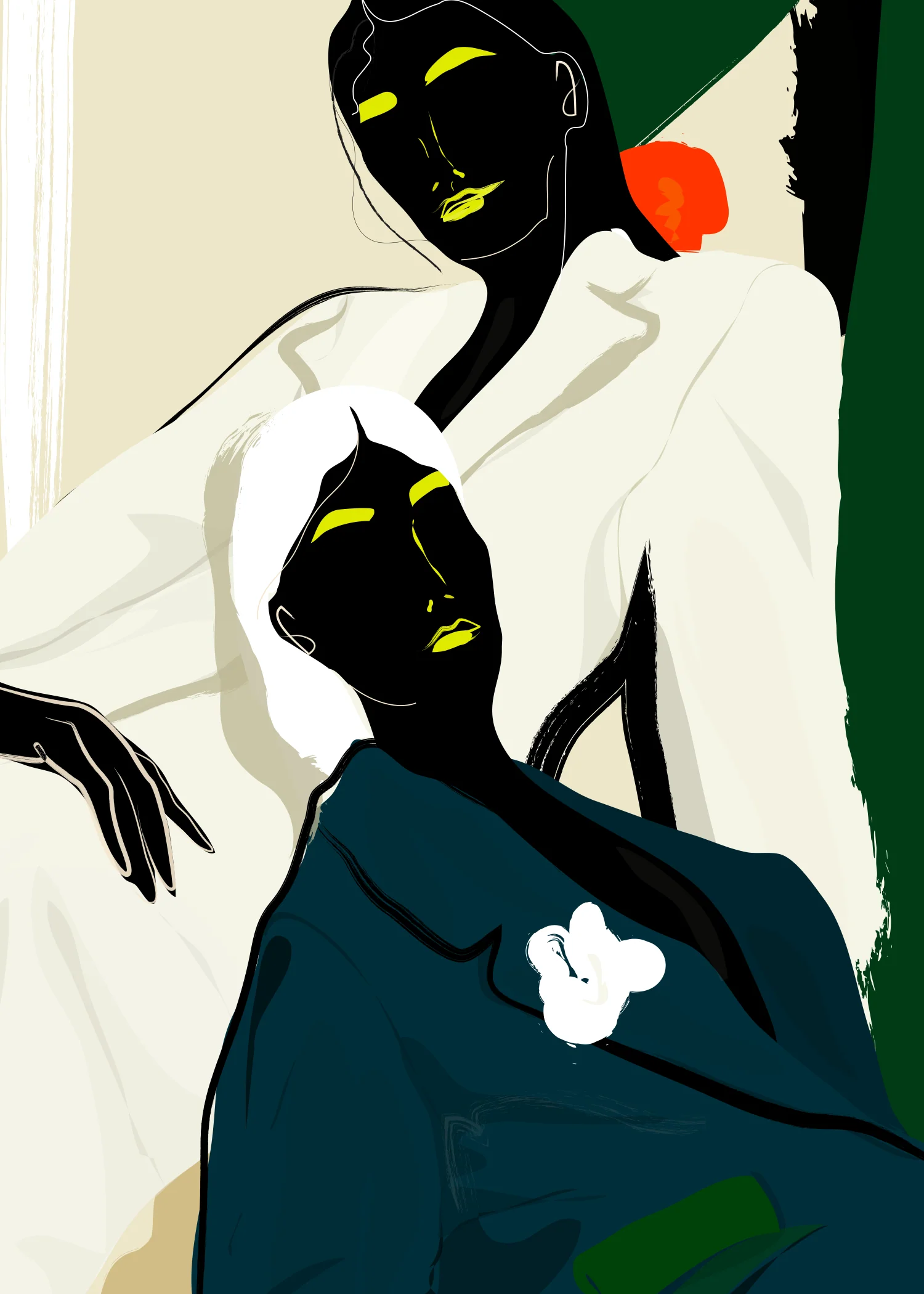
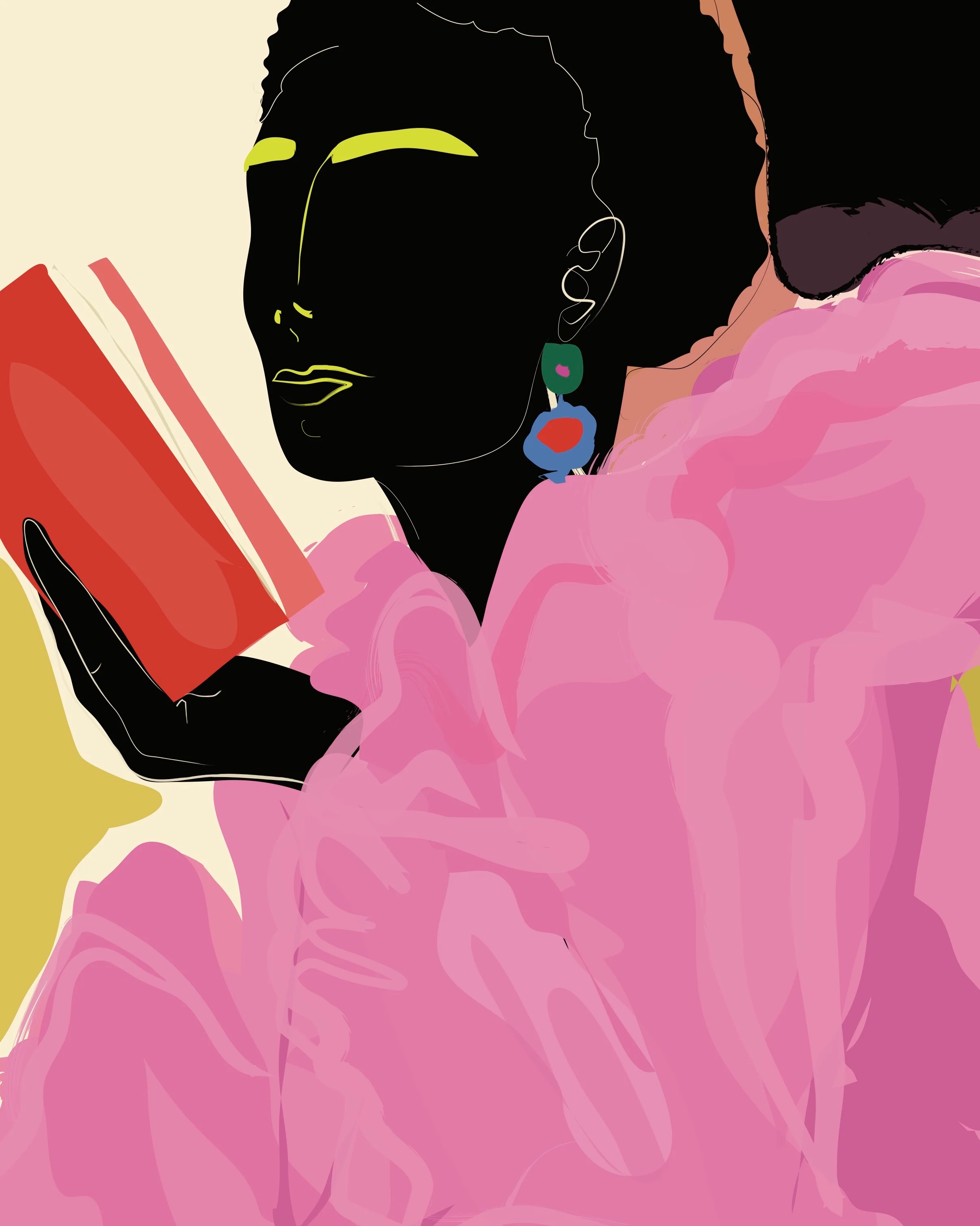
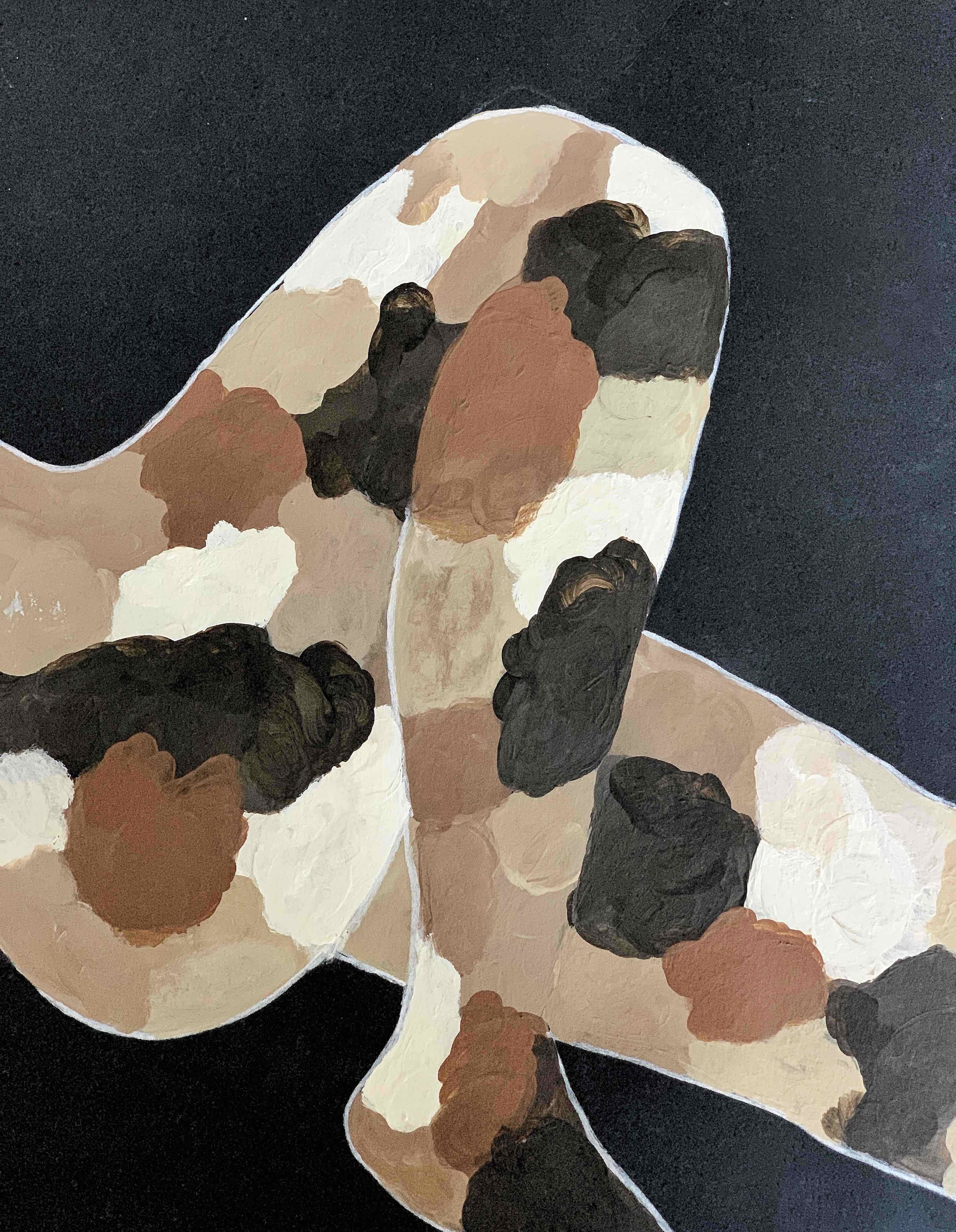
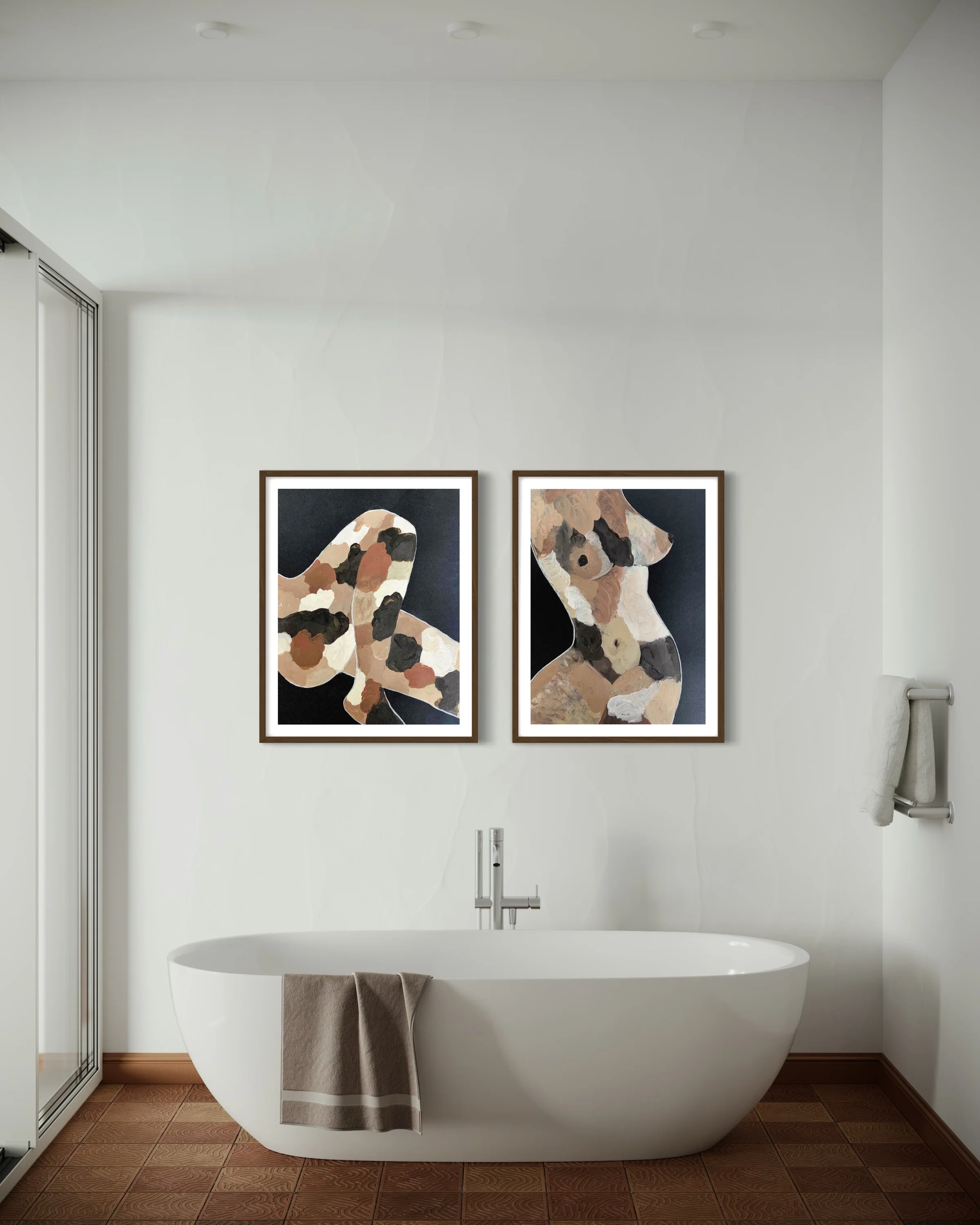
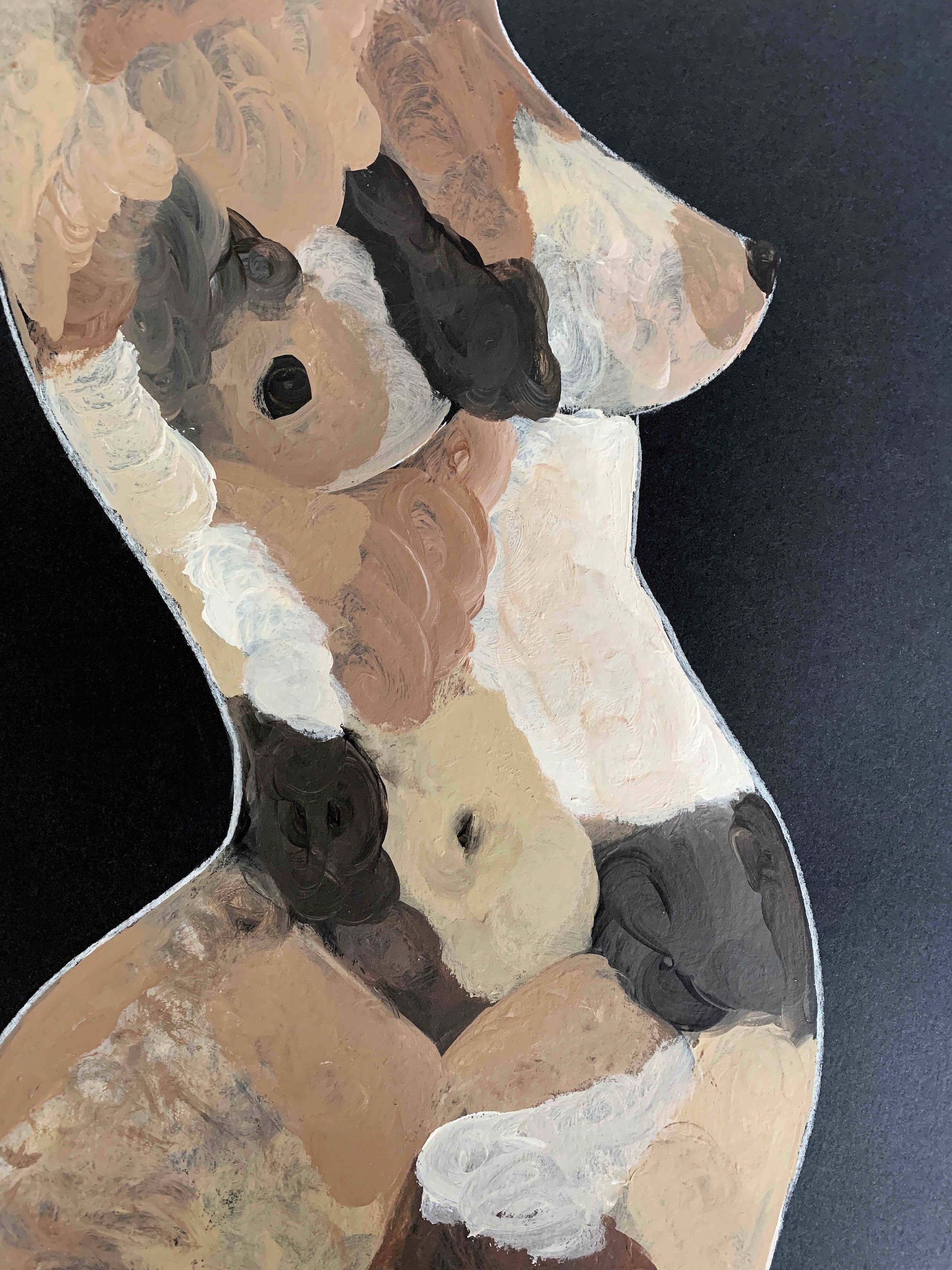
Leighton Bannock is a Toronto-based figurative painter working primarily in oil. Her work spans both figurative and still life painting, often incorporating subtle surreal elements and close, cropped framings that prioritize atmosphere over explicit storytelling.
Leighton is interested in how a single gesture or arrangement of objects can evoke a psychological state or hint at a moment just outside the frame.
Partial views and proximate objects introduce a sense of liminality, placing viewers between cause and consequence and inviting slow, interpretive looking. Through this intentional ambiguity, Leighton encourages an attentive, unhurried engagement — an invitation to dwell in uncertainty and pause within a world that rarely allows it.
This series is about how people relate to themselves, to one another, and to the objects that surround them. The depicted scenes are quiet, intimate moments occurring in a liminal space, suspended between the familiar and unfamiliar, the nostalgic and the uncanny, encouraging a kind of slow looking.
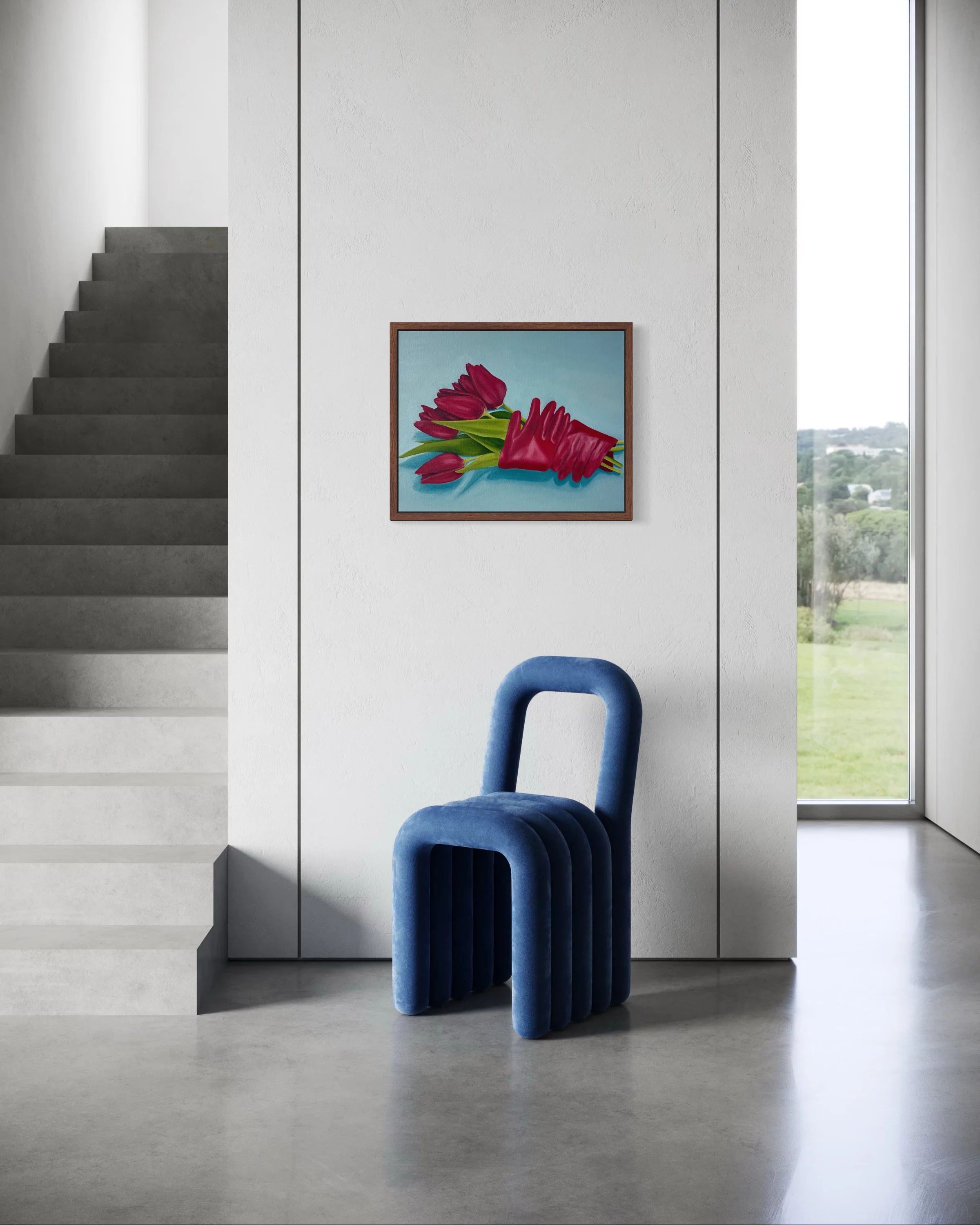
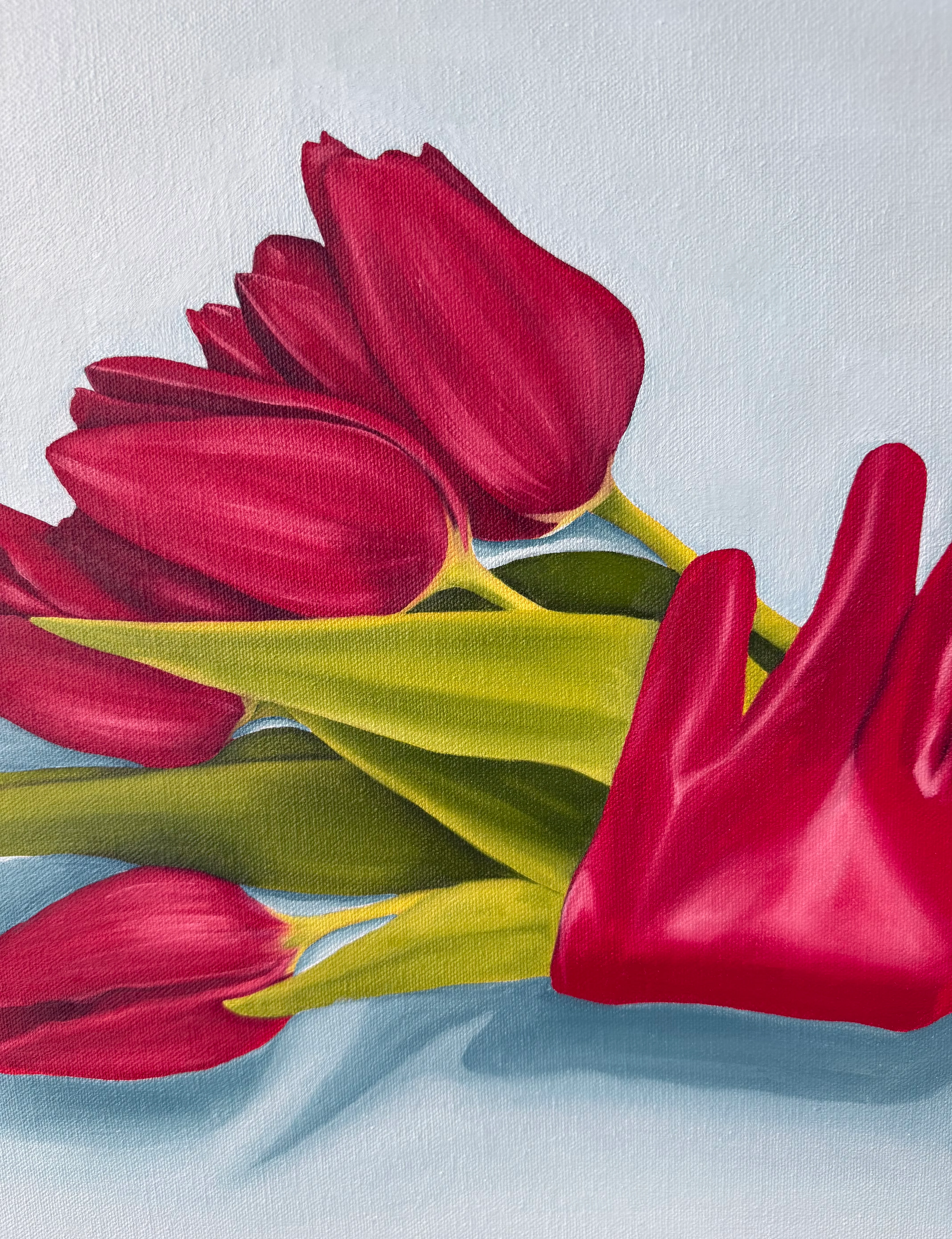
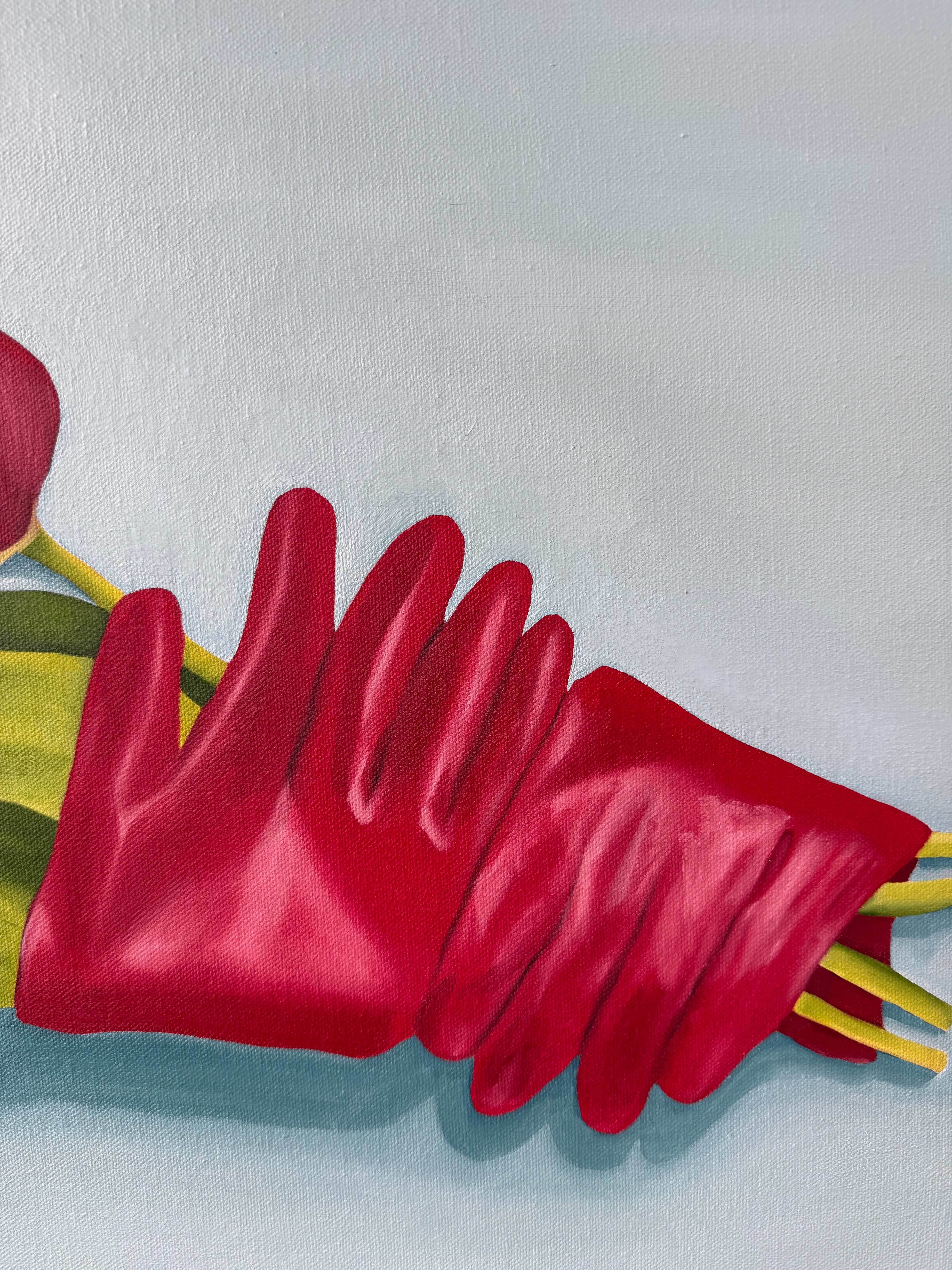
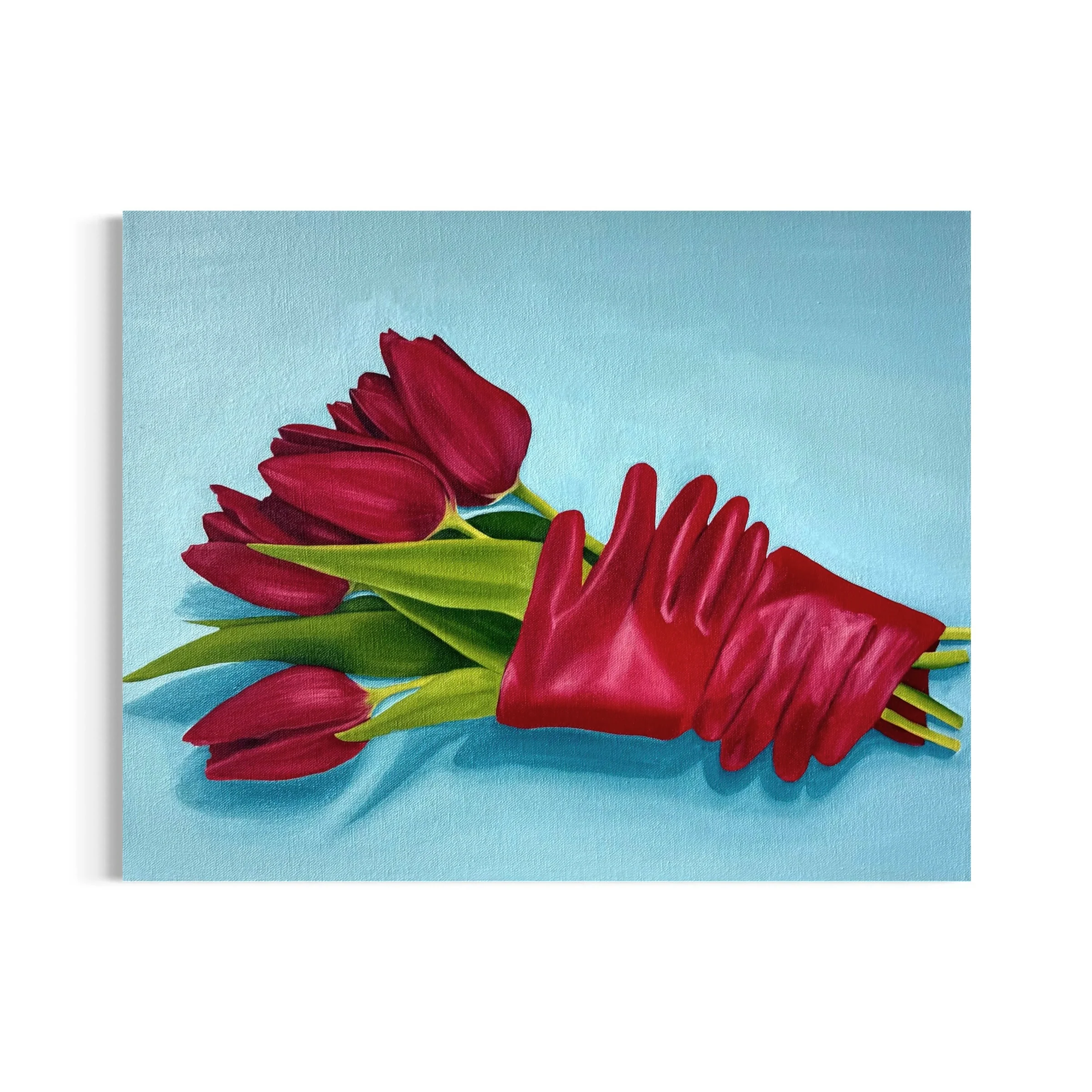
Together, the works give feeling and form to what may otherwise go unnoticed. Across the works, women and their proximate objects; tulips, gloves, reflective vessels, table settings, mirrored surfaces form a web of subtle gestures and emotional cues. The objects act as extensions of the women themselves: the pair of gloves become a surrogate embrace; tulips slump with fatigue; and reflections fracture or multiply the self, suggesting inner tensions that rest beneath a smooth exterior.
The compositions are deliberately cropped, bringing focus to hands, hair, shoulders, or the subtle lean of a body (or tulip) onto another. These partial views withhold context and heighten the feeling that the viewer has stepped into the middle of something, suspended in a state of inbetweenness. The ambiguity is active: it invites the viewer not just to look, but to interpret, to sense, to fill in what isn’t shown.
This slow, attentive engagement offers quiet refusal of the frenzied, hurried landscape that surrounds us.
Original: $660.90
-70%$660.90
$198.27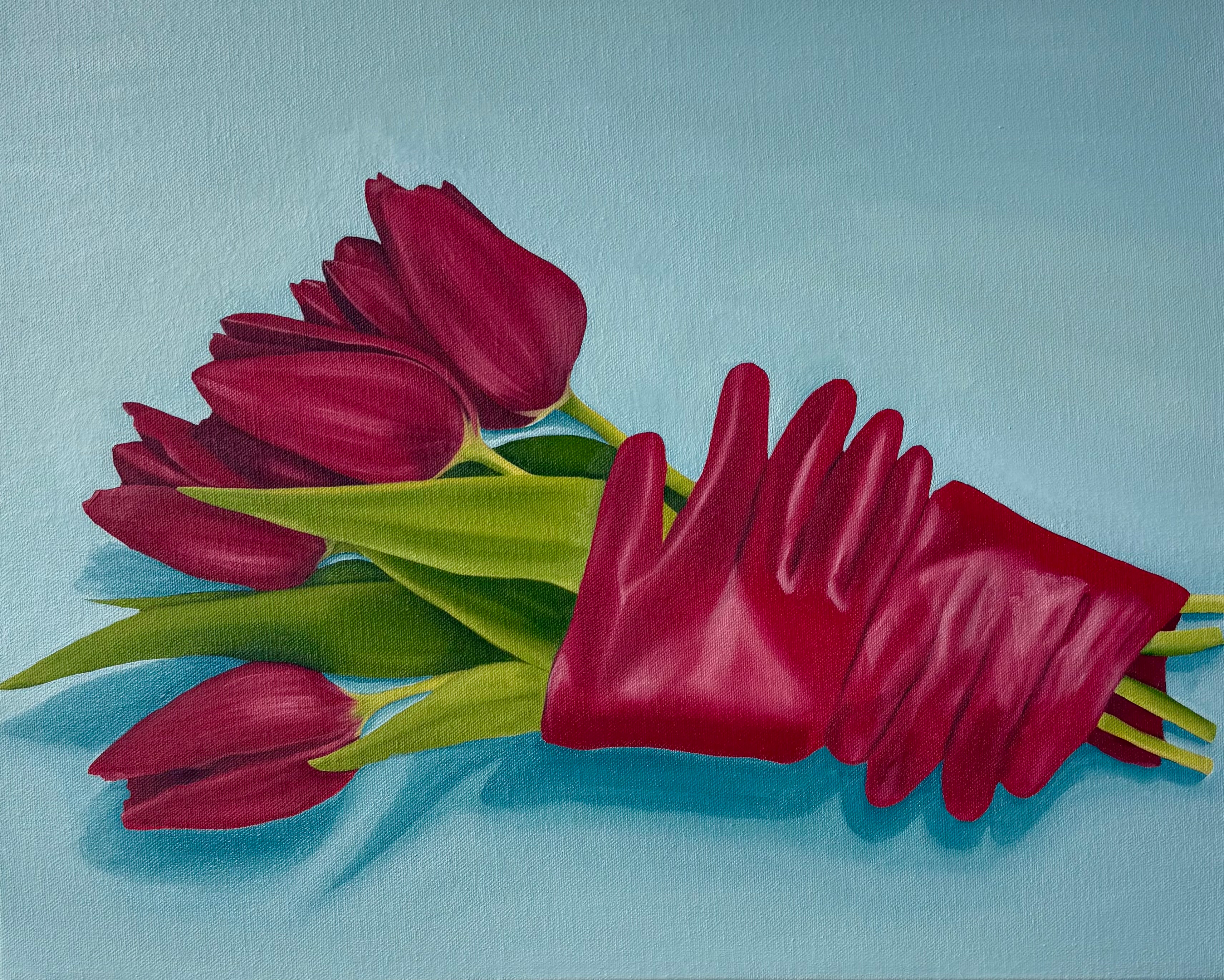
Description
Leighton Bannock is a Toronto-based figurative painter working primarily in oil. Her work spans both figurative and still life painting, often incorporating subtle surreal elements and close, cropped framings that prioritize atmosphere over explicit storytelling.
Leighton is interested in how a single gesture or arrangement of objects can evoke a psychological state or hint at a moment just outside the frame.
Partial views and proximate objects introduce a sense of liminality, placing viewers between cause and consequence and inviting slow, interpretive looking. Through this intentional ambiguity, Leighton encourages an attentive, unhurried engagement — an invitation to dwell in uncertainty and pause within a world that rarely allows it.
This series is about how people relate to themselves, to one another, and to the objects that surround them. The depicted scenes are quiet, intimate moments occurring in a liminal space, suspended between the familiar and unfamiliar, the nostalgic and the uncanny, encouraging a kind of slow looking.
Together, the works give feeling and form to what may otherwise go unnoticed. Across the works, women and their proximate objects; tulips, gloves, reflective vessels, table settings, mirrored surfaces form a web of subtle gestures and emotional cues. The objects act as extensions of the women themselves: the pair of gloves become a surrogate embrace; tulips slump with fatigue; and reflections fracture or multiply the self, suggesting inner tensions that rest beneath a smooth exterior.
The compositions are deliberately cropped, bringing focus to hands, hair, shoulders, or the subtle lean of a body (or tulip) onto another. These partial views withhold context and heighten the feeling that the viewer has stepped into the middle of something, suspended in a state of inbetweenness. The ambiguity is active: it invites the viewer not just to look, but to interpret, to sense, to fill in what isn’t shown.
This slow, attentive engagement offers quiet refusal of the frenzied, hurried landscape that surrounds us.